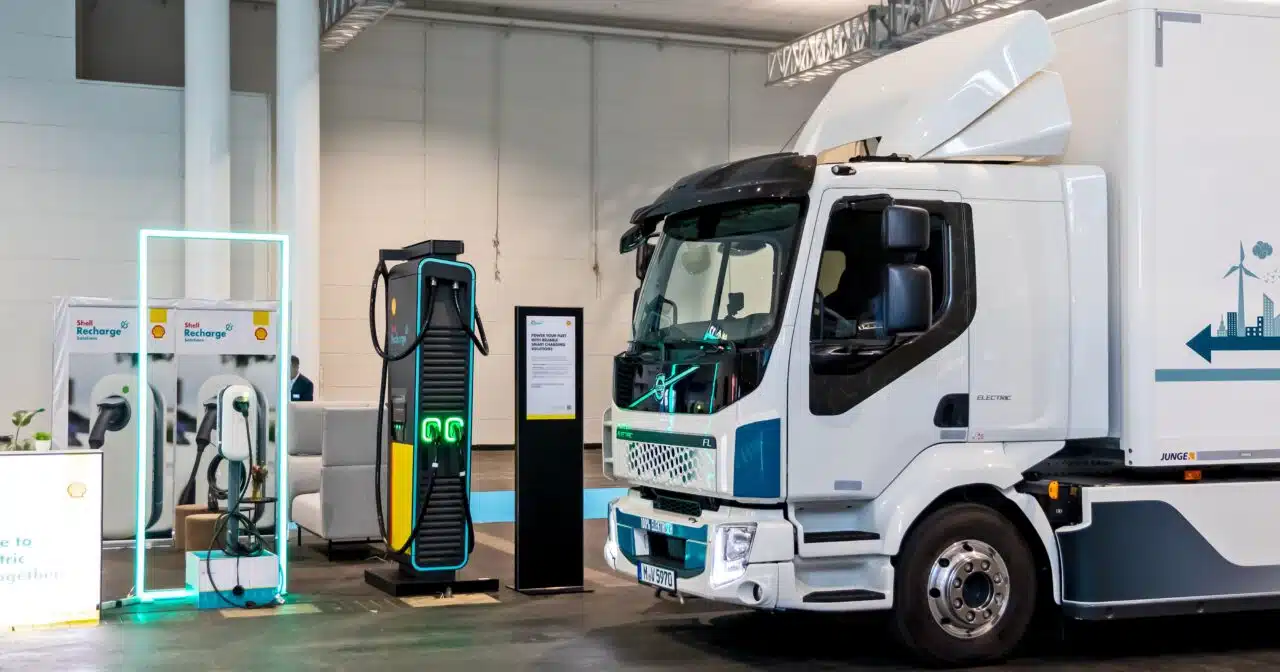
Lithium has emerged as one of the most crucial elements in modern technology, driving innovations in energy storage, electric vehicles (EVs), and renewable energy solutions. As industries push toward sustainability and carbon reduction, lithium-ion batteries have become the standard for powering everything from smartphones to large-scale energy grids.
This surge in demand has led to rapidly growing lithium stocks, with increased investments, evolving technologies, and fluctuating supply dynamics.

The Key Drivers Behind Lithium’s Growth
Several factors are propelling lithium’s dominance in global markets.
1. The Shift Toward Electric Vehicles
The global push for cleaner transportation has been a major catalyst for lithium demand. With governments imposing stricter emissions regulations and consumers seeking eco-friendly alternatives, EV sales are soaring. Companies like Tesla, BYD, and traditional automakers transitioning to electric fleets have intensified the need for lithium, making it a critical resource in the automotive industry.
2. Renewable Energy Storage Needs
The growth of solar and wind energy has created a demand for reliable battery storage solutions. Lithium-ion batteries offer the energy density and efficiency required to store power from renewable sources, ensuring a stable energy supply even when the sun isn’t shining or the wind isn’t blowing. As nations move toward net-zero emissions, lithium-based energy storage systems will play a crucial role in managing power grids.
3. Technological Advancements in Battery Efficiency
Ongoing research into battery technology is increasing lithium’s value. Advancements in lithium-ion chemistry, solid-state batteries, and recycling methods are making batteries more efficient, longer-lasting, and sustainable. With industries continuously improving energy storage capabilities, lithium remains at the forefront of battery innovation.
4. Government Policies and Strategic Investments
Governments worldwide recognise the strategic importance of lithium and are investing heavily in domestic supply chains. The U.S., Europe, and Australia have introduced policies to secure lithium resources and reduce reliance on imports. Funding for lithium extraction projects, research grants, and incentives for EV production have further driven market growth.
Challenges Facing the Lithium Market
Despite its potential, the lithium industry faces several challenges that could impact its future trajectory.

1. Supply Chain Constraints
Lithium production is concentrated in a few key regions, including Australia, Chile, Argentina, and China. This geographic limitation has created supply bottlenecks, leading to price volatility. As demand rises, companies are exploring new sources, such as lithium extraction from seawater and clay deposits, to alleviate supply concerns.
2. Environmental and Ethical Concerns
Lithium mining has raised environmental and ethical concerns, particularly regarding water usage and ecological impact. Extracting lithium from brine and hard rock requires significant water resources, leading to depletion issues in arid regions. Additionally, concerns over fair labour practices in mining operations have prompted companies to adopt more sustainable and ethical sourcing strategies.
3. Battery Recycling and Resource Scarcity
As lithium demand grows, the need for effective battery recycling becomes critical. While lithium can be recovered and reused,the current recycling infrastructure is still developing. Scaling up recycling processes will be essential to reducing reliance on newly mined lithium and minimizing environmental impact.
Future Outlook for Lithium Markets
The outlook for lithium remains strong, with continued growth expected in the coming decades.
1. Expansion of Lithium Supply
To meet rising demand, lithium producers are scaling up operations. New mining projects, expanded refining capacity, and innovations in lithium extraction methods are being developed to ensure a stable supply. Countries rich in lithium resources are also forming strategic partnerships to enhance global supply chains.
2. Development of Next-Generation Batteries
While lithium-ion technology dominates today, researchers are exploring alternative battery chemistries such as lithium-sulfur and sodium-ion batteries. These advancements could improve energy storage efficiency and reduce dependency on traditional lithium sources, further strengthening the industry’s long-term sustainability.
3. Investment Opportunities in Lithium Stocks
Investors are closely watching the lithium sector as demand continues to rise. Lithium mining companies, battery manufacturers, and EV producers are key players in the evolving market. While prices may fluctuate due to supply constraints and geopolitical factors, long-term prospects suggest strong potential for growth in lithium-related investments.
Conclusion
Lithium’s role in the energy transition is undeniable, fueling the future of transportation, renewable energy, and technological advancements. While challenges remain, ongoing innovation and investment in lithium production, recycling, and alternative battery technologies will shape the industry’s trajectory. As demand continues to soar, lithium is set to remain a cornerstone of the global shift toward a more sustainable future.

This content is brought to you by the FingerLakes1.com Team. Support our mission by visiting www.patreon.com/fl1 or learn how you send us your local content here.