Metal cutting technologies play a crucial role in modern manufacturing, enabling precise shaping and processing of various materials. Over the years, manufacturers have relied on traditional cutting methods like mechanical cutting, plasma cutting, waterjet cutting, and others. However, with the rise of fiber laser cutting, American manufacturers are increasingly making the switch due to its unparalleled speed, efficiency, and precision. Many companies are turning to ACCURL fiber laser cutters for their ability to deliver high-quality results while reducing operational costs and material waste.
What Are the Traditional Metal Cutting Methods?
Traditional metal cutting methods have been the backbone of industrial fabrication for decades. These methods vary in precision, speed, and cost-effectiveness. Below is an overview of some of the most commonly used conventional metal cutting technologies:
Mechanical Cutting (Shearing, Sawing, Punching)
- Description: Involves cutting metals using mechanical force, typically through shear blades, saws, or punches.
- Advantages: Cost-effective, simple to operate, and suitable for high-volume production.
- Disadvantages: Limited precision, tool wear over time, and material deformation.
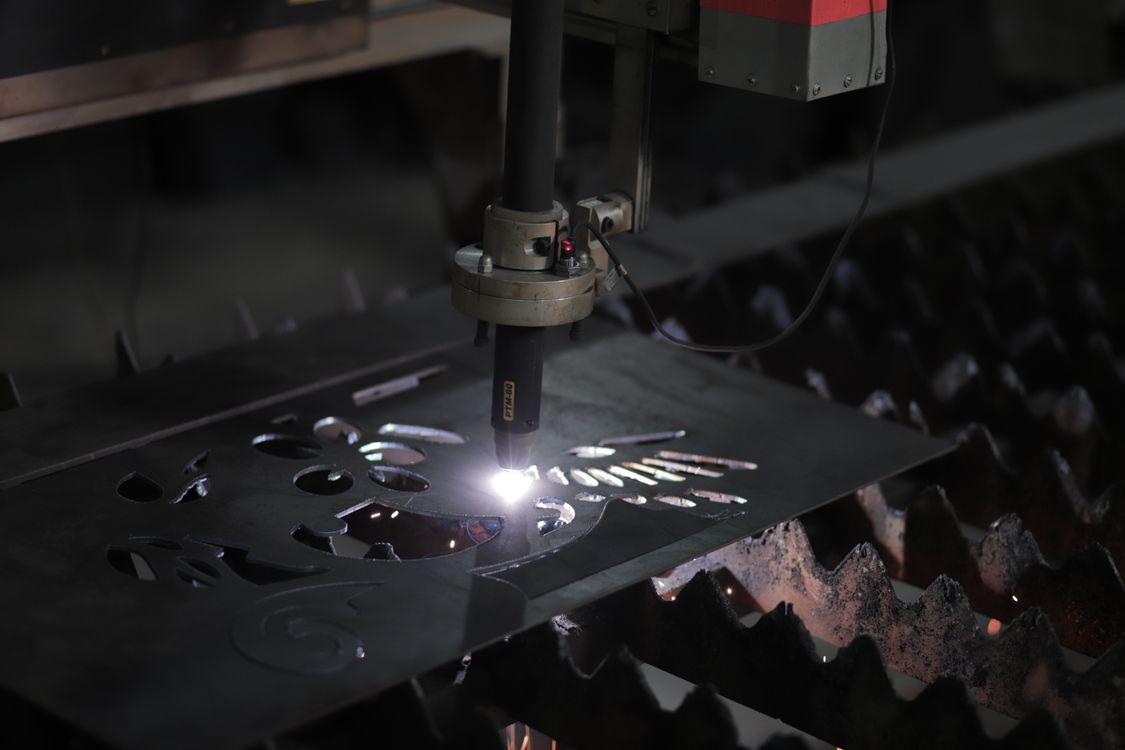
Plasma Cutting
- Description: Uses a high-temperature ionized gas jet to cut through electrically conductive materials.
- Advantages: Faster than mechanical cutting, capable of cutting thick metals.
- Disadvantages: Large heat-affected zone (HAZ), lower precision compared to laser cutting.
Waterjet Cutting
- Description: Waterjet cutting technology uses high-pressure water, sometimes mixed with abrasives, to cut metals.
- Advantages: No heat-affected zone, capable of cutting thick materials with high precision.
- Disadvantages: Slower than laser and plasma cutting, higher operational costs.
Oxy-Fuel Cutting
- Description: Involves a chemical reaction between oxygen and metal, producing heat to cut materials.
- Advantages: Low-cost setup, effective for cutting thick metals.
- Disadvantages: High heat-affected zone, slow cutting speeds, not suitable for non-ferrous metals.
Electrical Discharge Machining (EDM)
- Description: Uses electrical discharges (sparks) to cut metal with extreme precision.
- Advantages: Excellent for intricate designs and hard materials.
- Disadvantages: Slow process, requires electrically conductive materials.
What is Fiber Laser Cutting and How Does It Work?
Fiber laser cutting is a highly advanced metal cutting technology that utilizes high-powered laser beams transmitted through optical fibers to achieve precision cutting. Unlike traditional methods, fiber laser cutting offers superior accuracy, reduced waste, and minimal maintenance.
How Does a Fiber Laser Cutter Work?
- Laser Generation: The laser beam is generated using a fiber optic cable.
- Beam Focusing: A series of lenses and mirrors focus the beam onto the material surface.
- Material Interaction: The intense heat melts or vaporizes the material.
- Cut Execution: A high-speed assist gas expels the molten material, completing the cut.
What Are the Key Components of a Fiber Laser Cutter?
- Laser Source: Generates the laser beam.
- Optical Fiber: Transmits the beam from the source to the cutting head.
- Cutting Head: Focuses and directs the laser beam onto the material.
- Assist Gas System: Uses gases like oxygen, nitrogen, or compressed air for better cutting efficiency.
- CNC Controller: Automates movement and precision control.
- Cooling System: Prevents overheating and maintains stable performance.
What Are the Main Parameters of Fiber Laser Cutting?
- Power (kW): Determines cutting speed and material thickness capability.
- Cutting Speed: Impacts efficiency and precision.
- Focus Position: Affects edge quality and penetration depth.
- Beam Quality (M²): Higher beam quality results in finer cuts.
What Are the Cutting Tolerances for Fiber Laser Cutting?
- Thin Sheets (1-3mm): ±0.002 inches (±0.05mm)
- Medium Thickness (4-10mm): ±0.004 inches (±0.1mm)
- Thicker Materials (10-25mm): ±0.008 inches (±0.2mm)
What is the Thickest Metal That Can Be Cut with a Fiber Laser?
- Mild Steel: Up to 1.18 inches (30mm)
- Stainless Steel: Up to 1 inch (25mm)
- Aluminum: Up to 0.79 inches (20mm)
What Types of Metals Can Be Cut with a Fiber Laser?
Mild Steel (Carbon Steel)
- High machinability and cost-effective cutting.
Stainless Steel
- Corrosion-resistant and widely used in industrial applications.
Aluminum
- Lightweight and requires high power for efficient cutting.
Brass & Copper
- Highly reflective metals, requiring specialized laser settings.
Titanium
- Used in aerospace due to its strength and heat resistance.
Nickel Alloys
- Requires precise heat management for accurate cuts.
Precious Metals (Gold, Silver, Platinum)
- Used in jewelry and precision engraving.
Why Are American Manufacturers Switching to Fiber Laser Cutting?
- Faster cutting speeds increase productivity.
- Higher precision reduces material waste.
- Lower operating costs due to reduced consumables.
- Minimal maintenance improves machine longevity.
- Seamless integration with automation technologies.
What Are the Advantages of Fiber Laser Cutting Compared to Traditional Methods?
- Higher Cutting Speed – Up to 10x faster than some traditional methods.
- Greater Precision – Tighter tolerances for intricate designs.
- Minimal Heat-Affected Zone (HAZ) – Reduces material distortion.
- Ability to Cut Reflective Metals – Unlike CO2 lasers, fiber lasers handle copper and aluminum efficiently.
- Lower Energy Consumption – More energy-efficient than plasma or waterjet.
What Are the Industries That Benefit Most from Fiber Laser Cutting?
- Aerospace & Aviation – High precision for aircraft components.
- Automotive – Efficient cutting for car body panels.
- Medical Equipment – Precision cutting for surgical tools.
- Jewelry Industry – Fine engraving and cutting.
Conclusion
Fiber laser cutting is revolutionizing American manufacturing by offering unmatched speed, precision, and efficiency. As technology continues to evolve, its adoption will only grow, shaping the future of metal fabrication. Companies that invest in fiber laser technology today will gain a competitive edge, reducing waste and production costs while improving output quality. This innovation is not just a trend—it’s the new standard for modern manufacturing.

This content is brought to you by the FingerLakes1.com Team. Support our mission by visiting www.patreon.com/fl1 or learn how you send us your local content here.