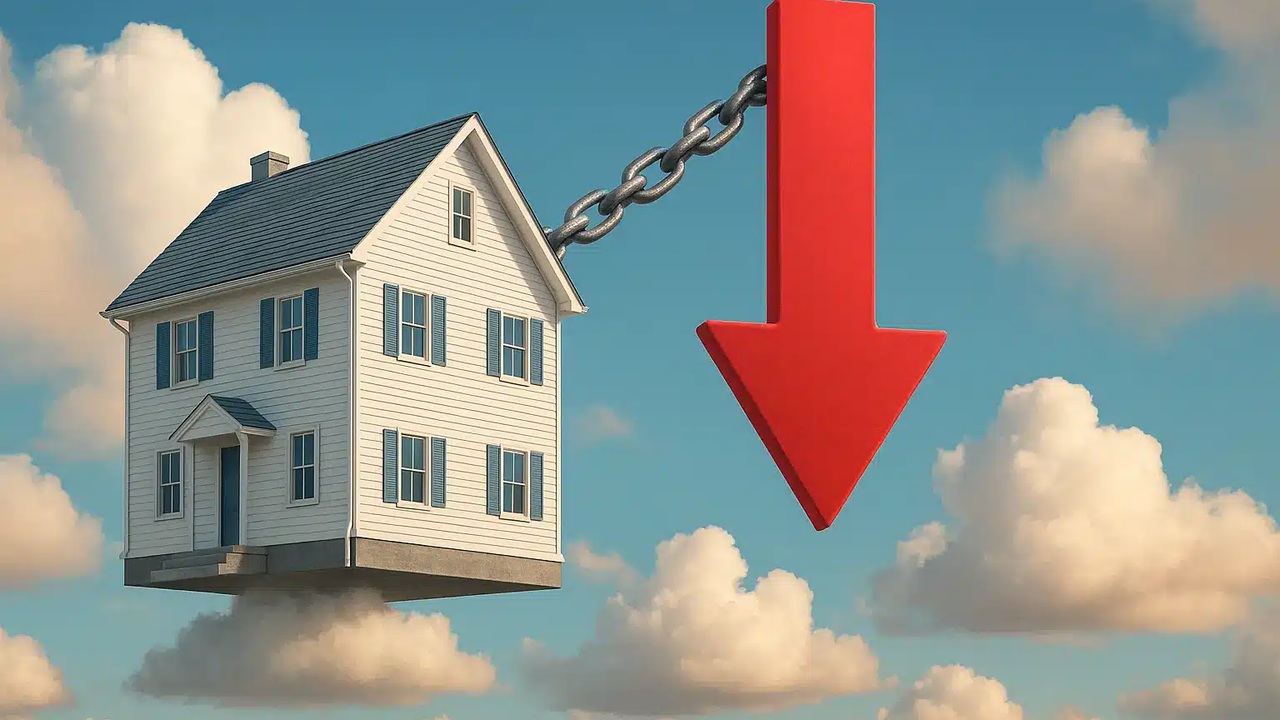
Inflation is a critical economic factor that affects everything from the cost of goods and services to the value of money in your wallet. With predictions about inflation trends in 2025 making headlines, it’s important to understand what this could mean for your personal finances.
This article will explore the potential impacts of predicted inflation and how you can prepare for the shifting economic landscape.
What is Inflation?
Inflation refers to the rate at which the general level of prices for goods and services rises over a period of time, eroding the purchasing power of money. It is a natural part of economic cycles but can significantly influence consumers, businesses, and investments. For instance, when inflation rises, the price of everyday necessities like food, housing, and transportation increases, often outpacing wage growth.
Understanding inflation can also help in grasping concepts like market trends and investment strategies. For example, in the context of commodities trading, the term futures price explained often takes into account projected inflation. Futures prices reflect what traders expect a commodity to be worth at a given time in the future, factoring in inflationary pressures and other market variables.
Predicted Inflation in 2025
The COVID-19 pandemic has caused significant disruptions to global economies, leading to an uncertain future for inflation rates. However, according to a report by the International Monetary Fund (IMF), it is expected that inflation will rise in many countries as they recover from the effects of the pandemic. The IMF projects that global inflation rates will increase from 2.7% in 2021 to 3.2% in 2025.
Some factors contributing to this predicted inflation include increased government spending and rising commodity prices. As governments continue to provide economic stimulus packages and support industries affected by the pandemic, it can lead to a higher demand for goods and services, resulting in price increases. Additionally, disruptions in supply chains and shortages of certain essential goods can also contribute to inflationary pressures.
Impact on Consumers
Inflation can have a significant impact on consumers’ purchasing power as it reduces the value of money. For example, if an individual’s salary does not increase in line with inflation rates, they may struggle to afford everyday necessities like groceries and rent. To combat this, individuals may need to find ways to increase their earning potential or adjust their spending habits accordingly.

For those with fixed incomes, such as retirees relying on pension funds, inflation can significantly affect their financial stability. As the cost of living increases, their fixed income may not be enough to cover their expenses, putting them at risk of financial hardship.
Impact on Businesses
Inflation can also have a significant impact on businesses. As the cost of production and raw materials increases, companies may need to raise prices to maintain profitability. This can result in lower consumer demand for their products and services as they become more expensive. Additionally, if inflation is coupled with high interest rates, it can make it challenging for businesses to secure loans or invest in growth opportunities.
Small businesses are particularly vulnerable to inflation as they may not have the resources or bargaining power to absorb increased costs or negotiate favorable prices with suppliers. This could lead to business closures, job losses, and a decrease in economic growth.
Government Intervention
In response to inflationary pressures, governments may implement various policies to control the rise in prices. One approach is through monetary policy, which involves adjusting interest rates or controlling the supply of money in circulation. This can dampen demand and slow down inflation rates.
Governments may also use fiscal policies, such as increasing taxes or reducing government spending, to curb inflation. However, these measures can also have negative impacts on consumers and businesses if not carefully implemented.
Managing Inflation
There are ways that individuals and businesses can protect themselves from the effects of inflation. For example, investing in assets that provide protection against inflation such as real estate, precious metals, and commodities.
Businesses can also mitigate the impact of inflation by carefully managing their costs, diversifying their supply chains, and hedging against price increases. Additionally, businesses may need to adapt their pricing strategies to remain competitive in an inflationary environment.
Conclusion
Inflation is a complex economic phenomenon that can have wide-ranging effects on individuals, businesses, and governments. While some level of inflation is necessary for a healthy economy, high or uncontrolled inflation rates can be detrimental.
It is essential for individuals and businesses to understand the causes and impacts of inflation and take proactive steps to manage its effects on their financial stability. Additionally, governments play a crucial role in controlling inflation through monetary and fiscal policies.
Make FL1 part of your day.
Local reporting. Useful updates. More ways to stay close to your community.
Go ad-free
Support independent local reporting and enjoy FL1 without display ads.
$4.99 / month
Become a member →Cancel anytime. Third-party media players may contain ads.Get the daily briefing
Start your morning with the headlines that matter across the Finger Lakes.
Find more FL1 on Google
Choose FingerLakes1.com as a preferred source to see more of our reporting in your Google news results.

This content is brought to you by the FingerLakes1.com Team. Support our mission by visiting www.patreon.com/fl1 or learn how you send us your local content here.