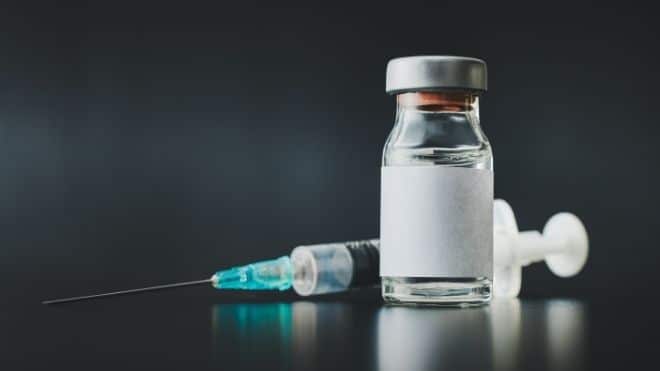
A newer hepatitis B vaccine significantly outperformed an older vaccine in providing protective antibodies for people living with HIV who had failed to respond to previous vaccination, according to a study led by a Weill Cornell Medicine researcher.
The findings, published Dec. 1 in JAMA, demonstrated that a hepatitis B vaccine using a cytosine phosphoguanine adjuvant (HepB-CpG, trade name Heplisav-B) generated protective antibodies in up to 99.4% of study participants. In contrast, the older hepatitis B vaccine with an aluminum hydroxide adjuvant (HepB-alum, trade name Engerix-B) showed a response rate of 80.6%.
“These results suggest a potential path forward for the large number of people living with HIV who can’t get protection from older hepatitis B vaccines,” said Dr. Kristen Marks, an associate professor of medicine at Weill Cornell Medicine and an infectious disease specialist at NewYork-Presbyterian/Weill Cornell Medical Center. Marks served as the corresponding author for the study.

Hepatitis B, which spreads through body fluids during childbirth, sexual contact, or shared needles, can lead to chronic liver infection, cirrhosis, and liver cancer. The World Health Organization estimated in 2022 that over 250 million people worldwide were living with chronic hepatitis B infection, resulting in more than 1 million deaths annually.
In the United States, hepatitis B affects 5% to 10% of people living with HIV. Those with HIV often have weakened immune systems, making it difficult to combat hepatitis B or achieve adequate protection from traditional vaccines.
The NIH-funded BEe-HIVe (B-Enhancement of HBV Vaccination in Persons Living With HIV) trial, a phase 3 study, evaluated 561 participants across 40 sites in the Americas, Africa, and Asia. All participants had HIV and had previously received hepatitis B vaccinations but did not have protective antibody levels. The Weill Cornell Medicine HIV Clinical Trials Unit contributed to the study by enrolling participants from New York City.
Participants were divided into three groups: one received three doses of the HepB-CpG vaccine, another received three doses of the HepB-alum vaccine, and a third received the standard two-dose regimen of HepB-CpG. Results showed that 99.4% of those receiving three doses of HepB-CpG developed protective antibodies, as did 93.1% of those receiving two doses. In comparison, 80.6% of those who received three doses of HepB-alum achieved protection.
The two vaccines contain the same hepatitis B virus protein but differ in their adjuvants—compounds designed to enhance the immune system’s response. The U.S. Food and Drug Administration approved HepB-CpG for adults in 2017, and the new findings suggest that it may become the preferred choice for adults with HIV who need hepatitis B vaccination.
Earlier research had shown Heplisav-B’s efficacy in patients with diabetes and kidney disease, populations known to respond poorly to traditional hepatitis B vaccines. In a prior phase of the current study, Marks and colleagues found that Heplisav-B also induced protective antibody responses in 100% of people with HIV who had never been vaccinated against hepatitis B.
The trial reported no new safety concerns, reinforcing the vaccine’s suitability for people living with HIV. Marks and her team are now conducting follow-up analyses to evaluate the long-term durability of the antibody response.
The research was supported by the National Institute of Allergy and Infectious Diseases, part of the National Institutes of Health.

FingerLakes1.com is the region’s leading all-digital news publication. The company was founded in 1998 and has been keeping residents informed for more than two decades. Have a lead? Send it to news@fingerlakes1.com.