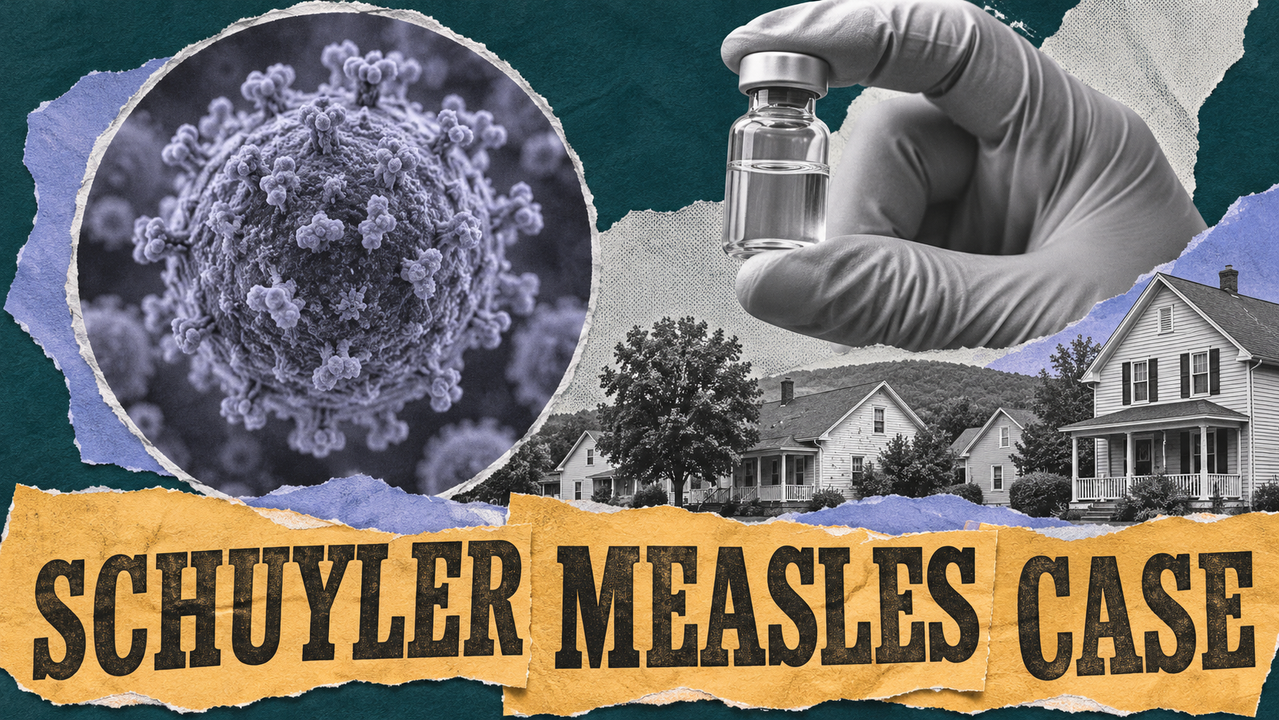
As winter illnesses surge, understanding when you’re contagious is key to preventing the spread of common viruses and bacteria. While not all illnesses are contagious, many that thrive in colder months—such as the flu, COVID-19, and respiratory syncytial virus (RSV)—can easily spread in schools, workplaces, and other crowded settings.

What Does It Mean to Be Contagious?
An illness is considered contagious when it can spread from person to person, typically through airborne droplets from coughing or sneezing, or direct contact like sharing utensils or kissing. Contagious illnesses, caused by bacteria or viruses, include the common cold, flu, strep throat, and stomach viruses like norovirus.
Some infections, such as those transmitted via sexual contact or contaminated food, are infectious but not commonly spread through casual contact.

Common Contagious Winter Illnesses
Winter illnesses often hit young children and older adults hardest, as their immune systems are less robust. Highly contagious diseases circulating this season include:
- Common cold: Known for runny noses, sneezing, and coughing.
- Flu: A respiratory illness causing fever, fatigue, and body aches.
- COVID-19: A respiratory virus with a range of symptoms from mild to severe.
- RSV: Especially severe in infants and older adults.
- Norovirus and rotavirus: Gastrointestinal viruses causing vomiting and diarrhea.
- Strep throat: A bacterial infection leading to sore throat and fever.
How to Protect Yourself and Others
While avoiding all exposure is unrealistic, these strategies can significantly lower your risk:
- Wash your hands frequently.
- Disinfect shared surfaces and objects.
- Cover your mouth with your arm when coughing or sneezing.
- Avoid sharing utensils or drinking glasses.
- Stay current on vaccinations, including flu shots, RSV vaccines, and COVID-19 boosters.
- Wear a mask in crowded settings.
Signs You May Be Contagious
Symptoms alone don’t guarantee you’re contagious, but they’re often a good indicator. To prevent spreading illness, stay home if you experience the following:
- Fever: The CDC recommends staying home until you’ve been fever-free for 24 hours without medication.
- Flu-like symptoms: Stay home at least four days from symptom onset, even without a fever.
- Vomiting or diarrhea: Wait at least 24 hours after symptoms resolve before resuming normal activities.
When to Seek Medical Advice
If you’re unsure whether your symptoms are contagious or need guidance, contact a healthcare provider. Your doctor can offer advice on treatment and reducing the risk of transmission. By taking these precautions, you can help protect yourself and those around you from winter illnesses.

FingerLakes1.com is the region’s leading all-digital news publication. The company was founded in 1998 and has been keeping residents informed for more than two decades. Have a lead? Send it to news@fingerlakes1.com.