

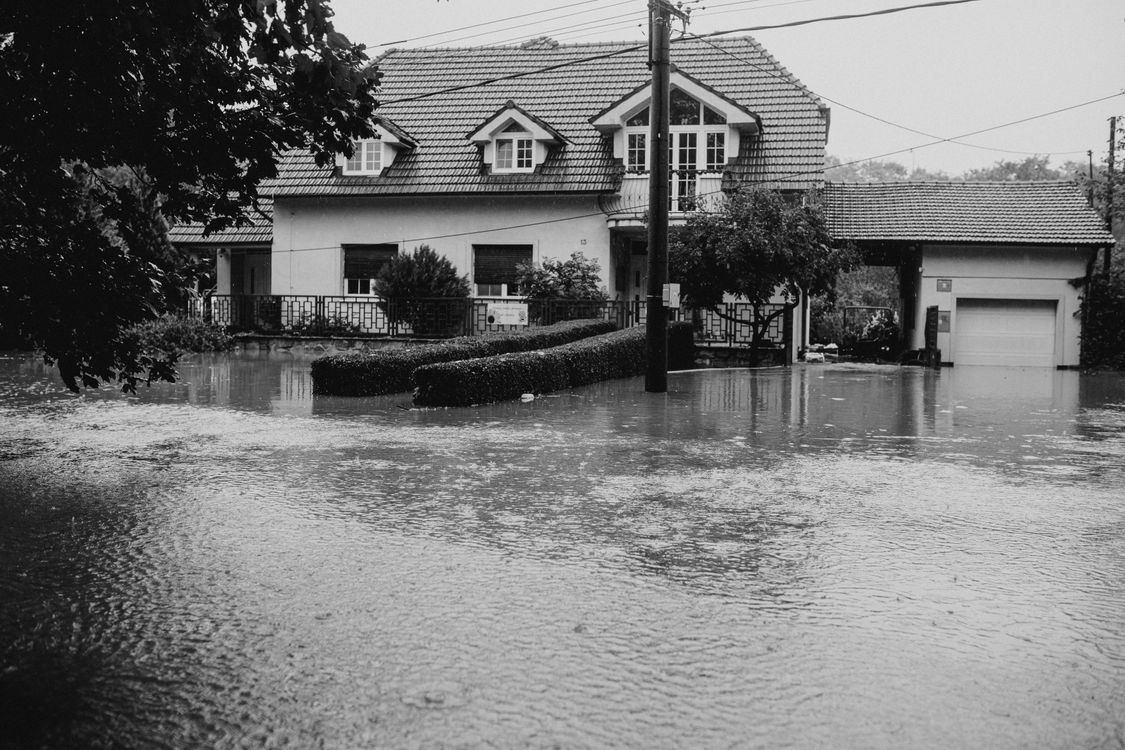
Flooding can wreak havoc on your home’s foundation, compromising its structural integrity and creating long-term safety concerns. Once floodwaters recede, addressing the foundation’s condition becomes a priority. Proper repair and reinforcement techniques restore stability and enhance your home’s resilience against future floods. Here’s a guide to understanding flood-related foundation damage and how to tackle it effectively.
Assessing the Damage Post-Flood
After a flood, your first step should be thoroughly inspecting the foundation. Look for visible cracks, sinking areas, and signs of erosion around the base. These issues can worsen if left unaddressed. Note any changes in your floors, walls, or ceilings, as shifts in these areas often indicate foundational issues.
Identifying Cracks and Shifts
Flooding can cause both superficial and deep foundational cracks. Hairline cracks may not be urgent but still require monitoring, while wider cracks signal structural shifts. Check if doors or windows are misaligned—this often indicates foundational movement, especially common in severe flood scenarios.
Removing Excess Moisture
Water trapped within or around the foundation weakens its structure over time. Using dehumidifiers and drainage pumps, remove residual moisture to prevent mold growth and further foundation damage. Keeping the area dry is essential before starting any repair work, as moisture affects the foundation’s ability to bear loads effectively.
Repairing Foundation Cracks
Foundation cracks can be filled using epoxy or polyurethane injections. These materials seal cracks and help prevent future water infiltration. To restore stability, more comprehensive repairs, such as carbon fiber reinforcements, may be necessary for larger cracks. Ensure a professional assessment to select the materials and techniques for your foundation type.
Reinforcing the Foundation
Once initial repairs are complete, reinforcing the foundation is crucial. Techniques like underpinning, where additional support is added beneath the existing foundation, can improve stability. Installing steel piers or helical piers also adds strength to weak areas. These methods prevent the foundation from shifting under future stress, protecting your home against recurring flood damage.
Improving Drainage Systems
Adequate drainage is one of the best preventative measures. Install or upgrade your drainage systems to redirect water away from the foundation. French drains, gutters, and downspouts work together to ensure water is channeled away, reducing the risk of soil saturation around the foundation.
Waterproofing Your Foundation
Waterproofing is a critical step, especially for homes in flood-prone areas. Waterproof coatings can be applied to the foundation walls, creating a barrier against water penetration. An excellent waterproofing layer removes moisture, reducing erosion and protecting against potential cracks.
Soil Stabilization Around the Foundation
Flooding can destabilize the soil around your foundation, leading to sinking or uneven settlement. Stabilize the soil by adding gravel or compacting the area with additional soil layers. Ensuring that the soil is firm and well-drained will help prevent future issues related to foundation movement.
Regular Inspections and Maintenance
Frequent inspections can catch potential foundation issues early. After significant storms or heavy rains, inspect for any new cracks or shifts. A proactive approach to maintenance prevents minor issues from developing into costly repairs, protecting your home’s structural integrity in the long run.
Addressing and reinforcing your home’s foundation after a flood is vital to maintaining safety and durability. By assessing damage, removing moisture, sealing cracks, and reinforcing weakened areas, you can restore stability to your home. Investing in drainage improvements and waterproofing adds another layer of protection against future flooding. For expert support, turn to Pinnacle Foundation Repair, where skilled professionals offer tailored solutions to repair and strengthen your foundation, ensuring your home remains resilient in the face of future challenges. Taking these proactive steps now will help secure your home for the long term.

This content is brought to you by the FingerLakes1.com Team. Support our mission by visiting www.patreon.com/fl1 or learn how you send us your local content here.